
Feb 1, 2026
Why Your Ads Aren't Converting
Ads
Performance
Leads
Why Your Ads Aren't Converting (And How Creative Quality Fixes That)®
When an ad isn't performing, the first instinct is to blame the audience. Maybe the targeting is off. Maybe the interest categories are too broad. Maybe you need to test a new demographic.
Sometimes that's true. But more often than most marketers want to admit — the targeting is fine. The audience is right. The problem is the ad itself.
Creative quality is the most underestimated variable in performance marketing. And in 2025, when attention is scarce and feeds are noisier than ever, the gap between a mediocre creative and a great one isn't a minor detail — it's the difference between a campaign that scales and one that bleeds budget.
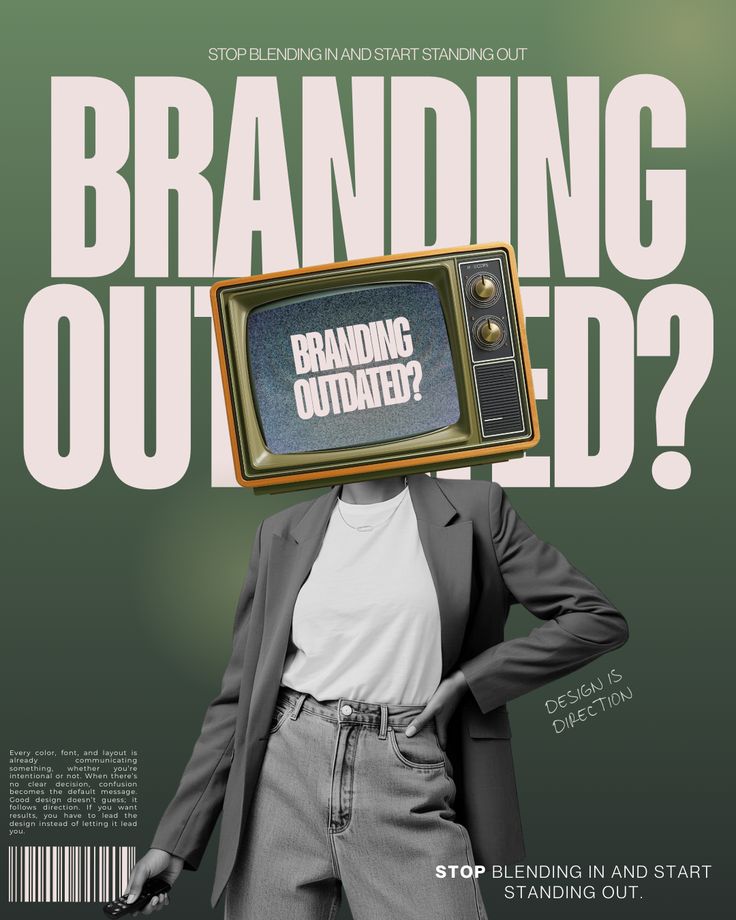
Targeting gets you in front of people. Creative gets them to stop.®
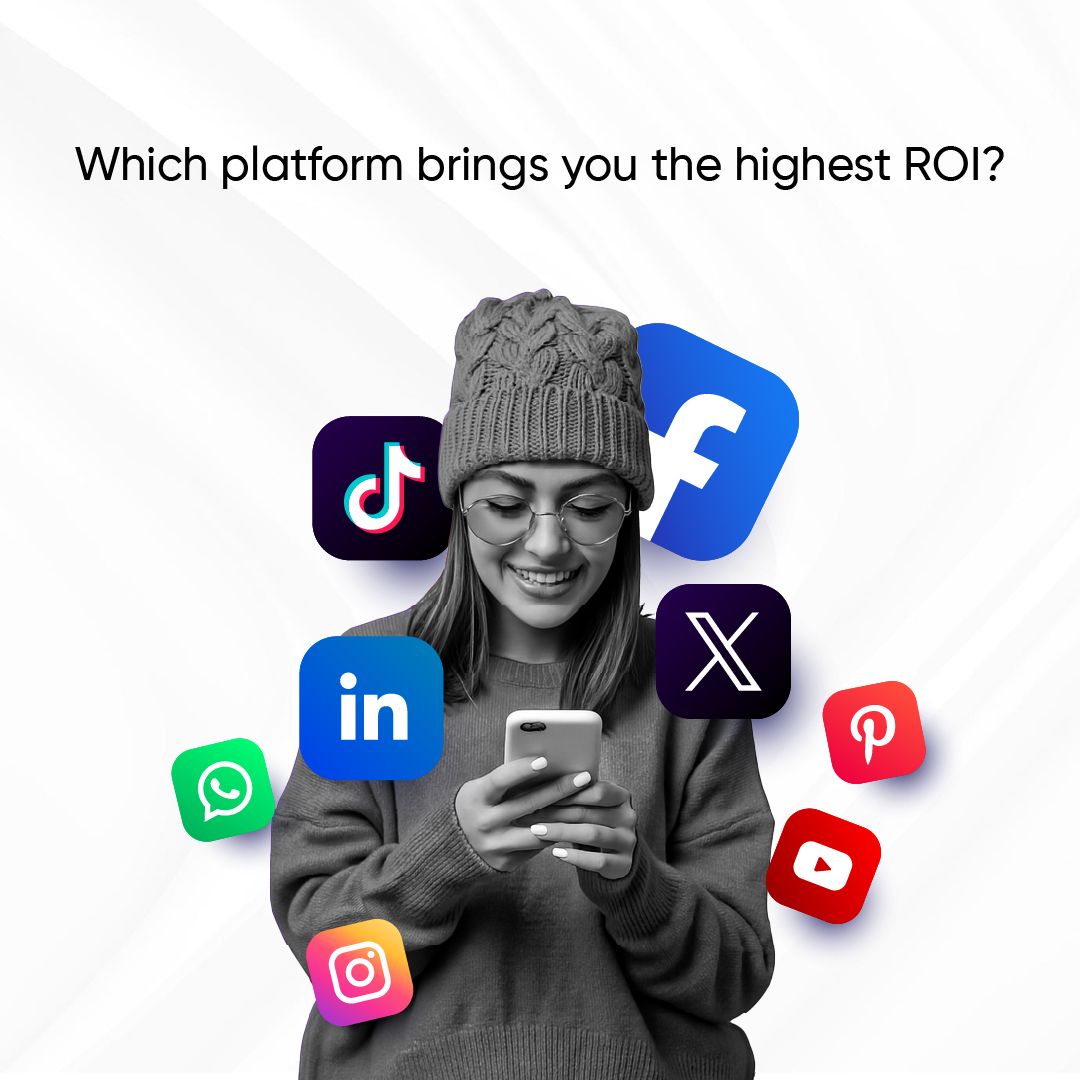
Platforms like Meta, and YouTube have gotten remarkably good at finding the right audience for your product. The algorithmic machinery behind modern ad platforms is powerful enough that even a reasonably well-set-up campaign will land in front of people who are actually relevant.
But once the ad is served, the platform's job is done. What happens in the next one-and-a-half seconds is entirely up to your creative.
In a feed full of content from people's friends, family, and favorite creators, your ad is an interruption. The only way an interruption earns attention is if it's immediately interesting visually arresting, emotionally resonant, or so directly relevant that the viewer can't help but pause.
A low-quality video with flat lighting and a generic voiceover doesn't earn that pause. Neither does a static graphic with a stock image and a headline that could apply to any brand in any category.
You're not competing with other ads. You're competing with everything else in the feed.
What creative quality actually means in performance context®
Creative quality in a performance marketing context isn't about making something beautiful for its own sake. It's about making something that works that captures attention, communicates value clearly, and creates enough pull that someone takes action.
That means the first frame of your video needs to do a lot of work. It needs to hook before the viewer has decided whether to keep scrolling. It means your motion graphics need to move with purpose guiding the eye, reinforcing the message, making the viewer feel something rather than just look at something.
It means your graphic design needs to feel like it comes from a real brand with a real point of view, not a template filled in with your logo.
And it means all of these things need to work together. A good hook with a weak middle loses people. Strong visuals with a confusing message don't convert. The entire creative has to hold up from the first frame to the call to action.
The motion graphics gap
One of the most consistently underused tools in performance creative is motion graphics. Brands either skip them entirely (running static ads that blend into the feed) or use them in a generic way that adds no real value.
Well-executed motion graphics do several things at once. They capture attention through movement. They pace the viewer's experience, guiding them through the message at the right speed. They add a layer of production quality that signals to the viewer even unconsciously that this is a brand worth paying attention to.
There's a reason the best-performing ads on paid social tend to have dynamic elements. Movement is neurologically harder to ignore than static images. When done with intent not just animation for animation's sake motion graphics can meaningfully improve the time someone spends with your ad, which directly affects your conversion rate.
Video editing and the cost of cheap production
Not every brand needs a full production shoot for every ad. But there's a version of 'low budget video' that actively hurts performance, and most brands can spot it when they look at their own ads honestly.
Shaky footage. Awkward cuts. Bad audio that makes viewers reach for the mute button. Text overlays that disappear before you've finished reading them. Color grading that makes the product look nothing like it does in real life.
These aren't just aesthetic problems. They're trust problems. Viewers make instant judgments about brand credibility based on how polished the video feels. A cheap-looking ad doesn't just fail to convert it can actively damage how people perceive your brand.
Good video editing is invisible. You don't notice it when it's done well. But it shapes the entire experience of watching the pacing, the emotional arc, the way information is delivered. It's the difference between a viewer who watches to the end and one who scrolls away at the three-second mark.
The best-edited ads don't feel edited. They feel effortless and that effortlessness is exactly what makes them work.


FAQ
01
What exactly does your company do?
02
How do I know I will get real results and not just reports?
03
How soon can I expect to see results after starting?
04
Will I get a dedicated person to talk to?
05
What if I am not happy with the creatives or campaign performance?
06
Do you work with small businesses or only big brands?
07
How transparent are you about budgets and ad spend?
08
Why should I choose you over other agencies?
Feb 1, 2026
Why Your Ads Aren't Converting
Ads
Performance
Leads
Why Your Ads Aren't Converting (And How Creative Quality Fixes That)®
When an ad isn't performing, the first instinct is to blame the audience. Maybe the targeting is off. Maybe the interest categories are too broad. Maybe you need to test a new demographic.
Sometimes that's true. But more often than most marketers want to admit — the targeting is fine. The audience is right. The problem is the ad itself.
Creative quality is the most underestimated variable in performance marketing. And in 2025, when attention is scarce and feeds are noisier than ever, the gap between a mediocre creative and a great one isn't a minor detail — it's the difference between a campaign that scales and one that bleeds budget.
Targeting gets you in front of people. Creative gets them to stop.®
Platforms like Meta, and YouTube have gotten remarkably good at finding the right audience for your product. The algorithmic machinery behind modern ad platforms is powerful enough that even a reasonably well-set-up campaign will land in front of people who are actually relevant.
But once the ad is served, the platform's job is done. What happens in the next one-and-a-half seconds is entirely up to your creative.
In a feed full of content from people's friends, family, and favorite creators, your ad is an interruption. The only way an interruption earns attention is if it's immediately interesting visually arresting, emotionally resonant, or so directly relevant that the viewer can't help but pause.
A low-quality video with flat lighting and a generic voiceover doesn't earn that pause. Neither does a static graphic with a stock image and a headline that could apply to any brand in any category.
You're not competing with other ads. You're competing with everything else in the feed.
What creative quality actually means in performance context®
Creative quality in a performance marketing context isn't about making something beautiful for its own sake. It's about making something that works that captures attention, communicates value clearly, and creates enough pull that someone takes action.
That means the first frame of your video needs to do a lot of work. It needs to hook before the viewer has decided whether to keep scrolling. It means your motion graphics need to move with purpose guiding the eye, reinforcing the message, making the viewer feel something rather than just look at something.
It means your graphic design needs to feel like it comes from a real brand with a real point of view, not a template filled in with your logo.
And it means all of these things need to work together. A good hook with a weak middle loses people. Strong visuals with a confusing message don't convert. The entire creative has to hold up from the first frame to the call to action.
The motion graphics gap
One of the most consistently underused tools in performance creative is motion graphics. Brands either skip them entirely (running static ads that blend into the feed) or use them in a generic way that adds no real value.
Well-executed motion graphics do several things at once. They capture attention through movement. They pace the viewer's experience, guiding them through the message at the right speed. They add a layer of production quality that signals to the viewer even unconsciously that this is a brand worth paying attention to.
There's a reason the best-performing ads on paid social tend to have dynamic elements. Movement is neurologically harder to ignore than static images. When done with intent not just animation for animation's sake motion graphics can meaningfully improve the time someone spends with your ad, which directly affects your conversion rate.
Video editing and the cost of cheap production
Not every brand needs a full production shoot for every ad. But there's a version of 'low budget video' that actively hurts performance, and most brands can spot it when they look at their own ads honestly.
Shaky footage. Awkward cuts. Bad audio that makes viewers reach for the mute button. Text overlays that disappear before you've finished reading them. Color grading that makes the product look nothing like it does in real life.
These aren't just aesthetic problems. They're trust problems. Viewers make instant judgments about brand credibility based on how polished the video feels. A cheap-looking ad doesn't just fail to convert it can actively damage how people perceive your brand.
Good video editing is invisible. You don't notice it when it's done well. But it shapes the entire experience of watching the pacing, the emotional arc, the way information is delivered. It's the difference between a viewer who watches to the end and one who scrolls away at the three-second mark.
The best-edited ads don't feel edited. They feel effortless and that effortlessness is exactly what makes them work.
FAQ
01
What exactly does your company do?
02
How do I know I will get real results and not just reports?
03
How soon can I expect to see results after starting?
04
Will I get a dedicated person to talk to?
05
What if I am not happy with the creatives or campaign performance?
06
Do you work with small businesses or only big brands?
07
How transparent are you about budgets and ad spend?
08
Why should I choose you over other agencies?
Feb 1, 2026
Why Your Ads Aren't Converting
Ads
Performance
Leads
Why Your Ads Aren't Converting (And How Creative Quality Fixes That)®
When an ad isn't performing, the first instinct is to blame the audience. Maybe the targeting is off. Maybe the interest categories are too broad. Maybe you need to test a new demographic.
Sometimes that's true. But more often than most marketers want to admit — the targeting is fine. The audience is right. The problem is the ad itself.
Creative quality is the most underestimated variable in performance marketing. And in 2025, when attention is scarce and feeds are noisier than ever, the gap between a mediocre creative and a great one isn't a minor detail — it's the difference between a campaign that scales and one that bleeds budget.
Targeting gets you in front of people. Creative gets them to stop.®
Platforms like Meta, and YouTube have gotten remarkably good at finding the right audience for your product. The algorithmic machinery behind modern ad platforms is powerful enough that even a reasonably well-set-up campaign will land in front of people who are actually relevant.
But once the ad is served, the platform's job is done. What happens in the next one-and-a-half seconds is entirely up to your creative.
In a feed full of content from people's friends, family, and favorite creators, your ad is an interruption. The only way an interruption earns attention is if it's immediately interesting visually arresting, emotionally resonant, or so directly relevant that the viewer can't help but pause.
A low-quality video with flat lighting and a generic voiceover doesn't earn that pause. Neither does a static graphic with a stock image and a headline that could apply to any brand in any category.
You're not competing with other ads. You're competing with everything else in the feed.
What creative quality actually means in performance context®
Creative quality in a performance marketing context isn't about making something beautiful for its own sake. It's about making something that works that captures attention, communicates value clearly, and creates enough pull that someone takes action.
That means the first frame of your video needs to do a lot of work. It needs to hook before the viewer has decided whether to keep scrolling. It means your motion graphics need to move with purpose guiding the eye, reinforcing the message, making the viewer feel something rather than just look at something.
It means your graphic design needs to feel like it comes from a real brand with a real point of view, not a template filled in with your logo.
And it means all of these things need to work together. A good hook with a weak middle loses people. Strong visuals with a confusing message don't convert. The entire creative has to hold up from the first frame to the call to action.
The motion graphics gap
One of the most consistently underused tools in performance creative is motion graphics. Brands either skip them entirely (running static ads that blend into the feed) or use them in a generic way that adds no real value.
Well-executed motion graphics do several things at once. They capture attention through movement. They pace the viewer's experience, guiding them through the message at the right speed. They add a layer of production quality that signals to the viewer even unconsciously that this is a brand worth paying attention to.
There's a reason the best-performing ads on paid social tend to have dynamic elements. Movement is neurologically harder to ignore than static images. When done with intent not just animation for animation's sake motion graphics can meaningfully improve the time someone spends with your ad, which directly affects your conversion rate.
Video editing and the cost of cheap production
Not every brand needs a full production shoot for every ad. But there's a version of 'low budget video' that actively hurts performance, and most brands can spot it when they look at their own ads honestly.
Shaky footage. Awkward cuts. Bad audio that makes viewers reach for the mute button. Text overlays that disappear before you've finished reading them. Color grading that makes the product look nothing like it does in real life.
These aren't just aesthetic problems. They're trust problems. Viewers make instant judgments about brand credibility based on how polished the video feels. A cheap-looking ad doesn't just fail to convert it can actively damage how people perceive your brand.
Good video editing is invisible. You don't notice it when it's done well. But it shapes the entire experience of watching the pacing, the emotional arc, the way information is delivered. It's the difference between a viewer who watches to the end and one who scrolls away at the three-second mark.
The best-edited ads don't feel edited. They feel effortless and that effortlessness is exactly what makes them work.
FAQ
What exactly does your company do?
How do I know I will get real results and not just reports?
How soon can I expect to see results after starting?
Will I get a dedicated person to talk to?
What if I am not happy with the creatives or campaign performance?
Do you work with small businesses or only big brands?
How transparent are you about budgets and ad spend?
Why should I choose you over other agencies?